Free template for home stagers
Home staging proposal template
A good staging proposal answers the client's questions before they ask: which rooms, which pieces, what it costs, how long that covers, and what happens if the house doesn't sell in time. Here's a template with every part. Copy it, fill in the brackets, and add your photos.
The template
Staging proposal
Rooms and pieces
Living room: [sofa, two accent chairs, coffee table, rug, lamps, art, accessories]
[photo][photo]
Dining: [table, six chairs, centerpiece, art]
[photo]
Primary bedroom: [queen bed with bedding, nightstands, lamps, rug, art]
[photo]
[Other room]: [pieces]
Fees
| Staging fee, covering [the first 60 days] from install | [$] |
| After the term: each additional [month / 30 days] until de-stage | [$ per month or % of fee] |
| De-stage (pick-up) | [$ or "included"] |
| Deposit to book the install | [$ or %] |
Schedule
Proposed install day: [date] (or [second option])
Balance due: [on or before install day]
Acceptance
To accept, sign below or reply to confirm. A staging agreement follows with the full terms.
This is a proposal, not a contract. Send your own staging agreement once it's accepted, and have it reviewed for your state.
What to put in each part
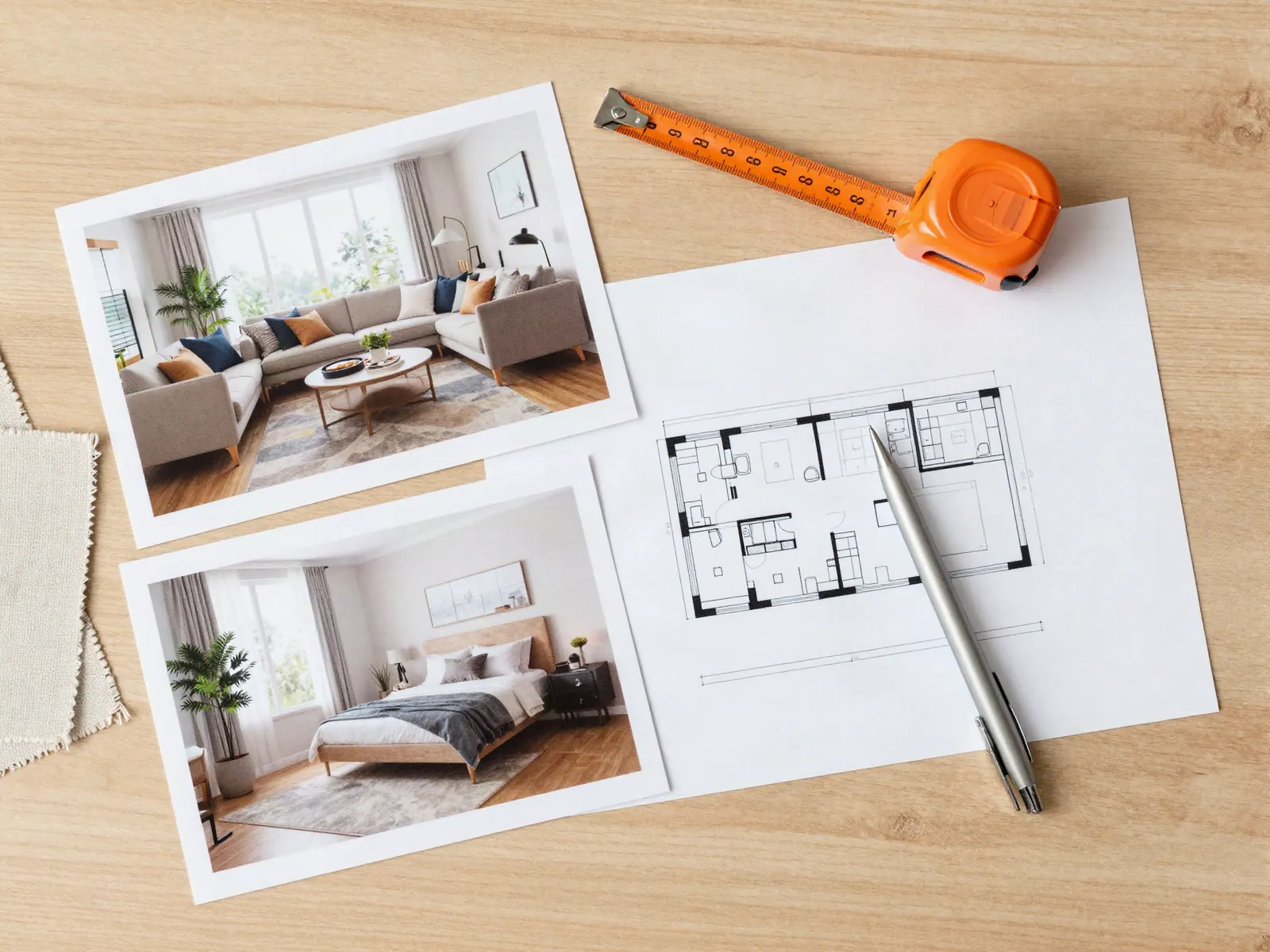
- Rooms and pieces. List the rooms, then the key pieces in each. Photos of your actual furniture do more selling than any description, and they set expectations for install day.
- The term. Say exactly what the staging fee covers, in days, from install. It's the line every later conversation points back to.
- After the term. Put the holdover rate here, before the client says yes. It's the single best way to avoid an awkward month-three call. More in how to bill holdover months.
- De-stage and deposit. If you charge to pick up, or take a deposit to book, say how much now so the invoices later hold no surprises.
- Install day. Offer a date, or two. A client who has picked a day is a client who has decided.
- A clear yes. End with one way to accept, then follow with your contract.
Or send proposals your client accepts online
In StageEngine, a proposal comes from the job: the rooms, your pieces with their photos, the fee, the term and what happens after it. Your client opens it from a link, accepts it online and picks their install day from the days you offer. Once it's accepted, the contract is written from the same job, ready to e-sign. Your studio's name and logo are on the page they see.

If you'd like to show the room before the install, the AI Designer stages a photo of the empty room using pieces you own.
Questions stagers ask
What goes in a home staging proposal?
The property and client, the rooms you'll stage and the key pieces in each (photos help), the staging fee and the term it covers, what happens after the term, the de-stage fee if you charge one, the deposit to book, the proposed install day, and a line for the client to accept.
Is a proposal the same as a contract?
No. The proposal is the offer: what you'll do and what it costs. The contract is the agreement that sets the terms, like payment, damage, access and holdover. Many stagers send the proposal first and the contract once it's accepted. Have your own contract reviewed for your state.
Should I put the holdover rate in the proposal?
Yes. A client who saw the monthly rate before saying yes rarely argues with month three's invoice. A client who first hears about it then often does.
Should I show photos of the furniture?
If you can. A photo of the sofa or a sample room sells the job better than a list of item names, and it sets expectations for install day.